Cost of Social Media Advertising: What You Should Know

Cost of Social Media Advertising: What You Should Know
By Bluemoon Ads, Leading Digital Marketing in Lebanon | Bluemoon Creative Agency
Social media advertising is continually evolving, so businesses must understand costs to plan budgets accurately. This article reviews average prices for major platforms—Facebook, Instagram and LinkedIn—and outlines practical budget-management approaches. Readers will gain a clear view of ad pricing, the main cost drivers, budget strategies and methods to measure return on investment (ROI). For platform-specific expense details, consult resources that list the cost of social media advertising.
What Are the Average Costs of Social Media Ads on Top Platforms?
Costs vary by platform and shape how marketers allocate budgets. Advertisers typically use cost per click (CPC) or cost per thousand impressions (CPM) to compare pricing. For example, Facebook Ads commonly report CPCs between $0.64 and $3.77, while Instagram often runs higher because of its visual format and engagement expectations.
How Much Do Facebook Ads Typically Cost in 2026?
In 2026, Facebook Ads retain a flexible pricing model suitable for different business sizes. The average cost per click (CPC) is about $1.00, a rise tied to increased competition. Ads that target larger audiences or use granular demographic filters generally cost more due to refined targeting capabilities, so budgets should reflect these trends.
What Are Current Pricing Trends for Instagram and LinkedIn Advertising?
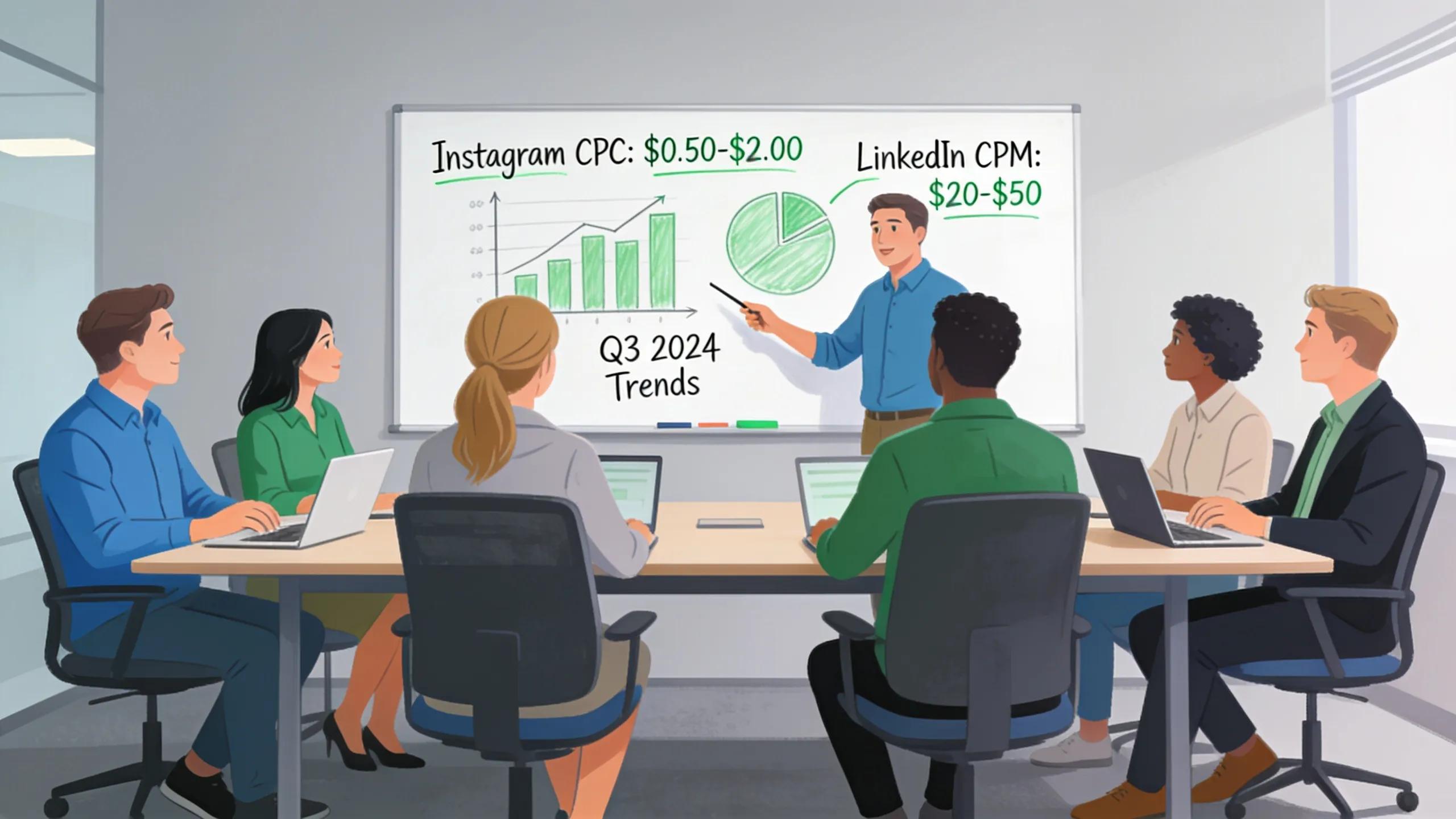
Instagram’s visual focus typically yields CPCs around $2.00 to $3.50, driven by strong engagement. LinkedIn is often pricier, with average CPCs near $5.00 to $8.00, reflecting its professional audience and B2B targeting value. Knowing these ranges helps plan placements and creative that match platform performance.
Which Factors Influence the Cost of Social Media Advertising?
Multiple variables determine social media ad costs. Campaign budgets, ad formats, audience demographics and campaign duration are primary factors. Recognising these elements enables businesses to optimise spend and reach expected outcomes.
How Do Campaign Budgets and Ad Types Affect Pricing?
Budget size directly affects ad selection. Video ads typically cost more than static images because of production expenses and higher engagement. Setting daily spend caps helps control costs across formats, and early calculations of production and bid strategy support more effective budgeting and improved click-through rates (CTR).
What Role Does Target Audience and Campaign Duration Play?
Targeting choices strongly influence pricing. Ads aimed at niche audiences may carry higher costs despite lower competition, but they can deliver better ROI when well executed. Campaign length also matters: longer campaigns may see diminishing returns, while shorter, intensive campaigns can produce concentrated engagement that justifies higher initial spend.
How Should Businesses Plan and Manage Their Social Media Ad Budgets?
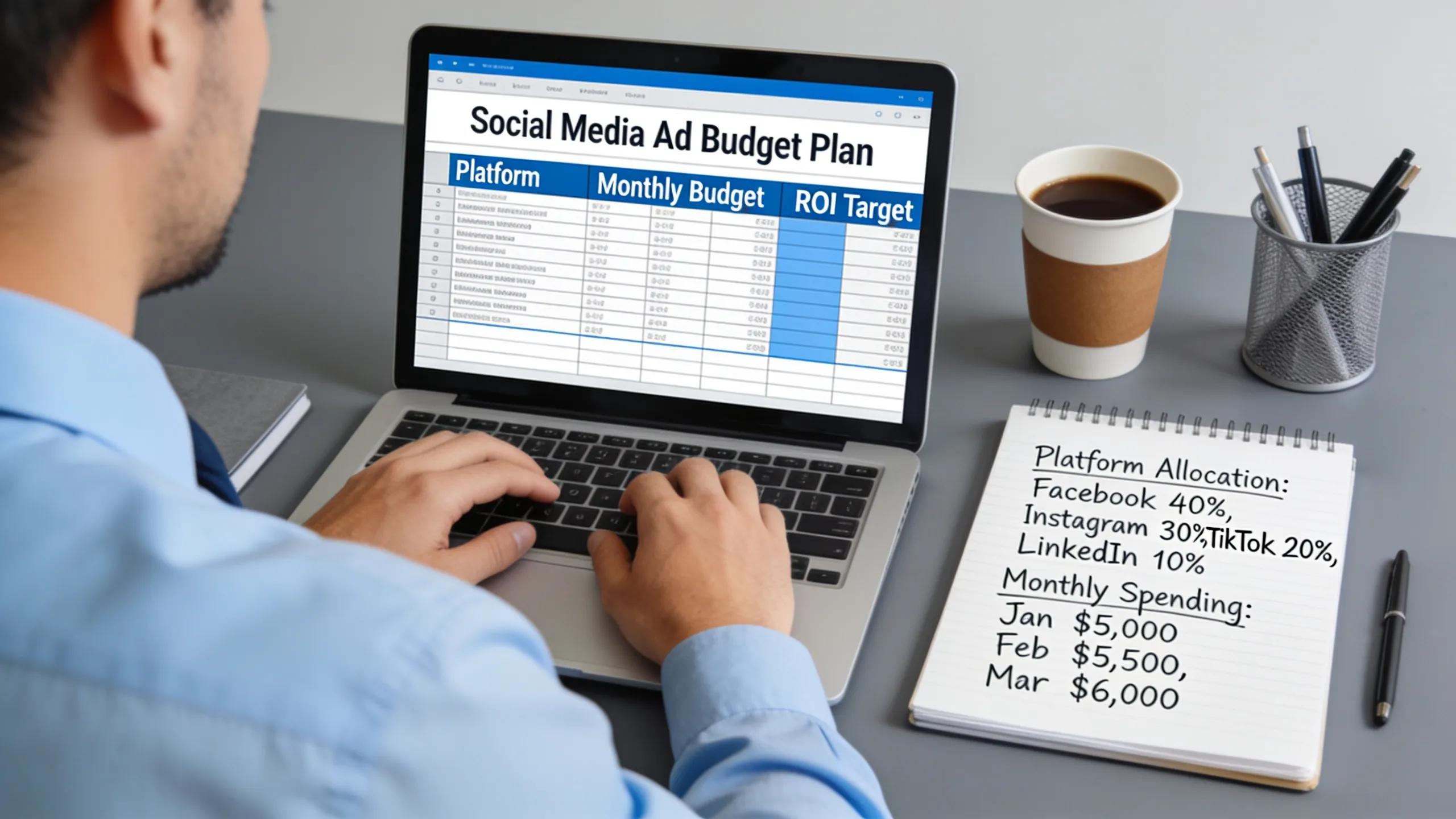
Effective ad spending requires a planned, cohesive strategy that links objectives, audience and measurement. A clear plan improves outcomes and simplifies ROI tracking.
What Budget Strategies Suit Small Businesses Versus Enterprises?
Small businesses should prioritise platforms that align with their products or services, set precise objectives and start with modest budgets to test performance. Larger enterprises benefit from diversified spend across platforms and deeper analytics to refine targeting and engagement at scale.
How to Optimize Ad Spend for Maximum ROI and Cost Efficiency?
Consider consulting services that refine ad strategy and execution. Focus on audience-specific targeting, adjust bids based on performance and run continuous A/B tests to improve results. Data-driven adjustments tied to real-time metrics let businesses reallocate budgets to the best-performing tactics and raise ROI.
| Ad Type | Average Cost | Effectiveness | Notes |
|---|---|---|---|
| Facebook Ads | $1.00/CPC | High | Strong brand engagement |
| Instagram Ads | $2.75/CPC | Very High | Visual content drives interest |
| LinkedIn Ads | $6.00/CPC | High | Effective for B2B targeting |
Measuring and Maximizing Social Media Advertising ROI
Measuring ROI requires a systematic use of key performance indicators (KPIs) and reliable tracking methods. Routine evaluation of these metrics lets businesses refine campaigns and improve outcomes.
What Metrics Are Essential for Evaluating Social Media Campaign Success?
Core metrics include engagement rate, click-through rate (CTR) and conversion rate. Monitoring these KPIs reveals which elements drive performance and where adjustments are needed to meet business goals.
Which Tools and Methods Help Accurately Track Advertising ROI?
Analytics platforms such as Google Analytics and the native insights from Facebook and Instagram support comprehensive dashboards for campaign monitoring. These tools identify patterns in user behaviour and inform optimisation of future ad spend.
Frequently Asked Questions
1. How does the target audience impact social media advertising costs?
The target audience is a primary cost driver. Ads aimed at specific demographics or niche markets can incur higher costs due to specialised targeting options and limited inventory. Prioritising high-value audiences with tailored messaging usually improves engagement and ROI.
2. What are some common mistakes businesses make when budgeting for social media ads?
Typical errors include underestimating total costs, ignoring differences in ad formats and failing to monitor performance regularly. Not setting clear goals often leads to poor allocation of funds. A flexible budget that adapts to real-time data reduces waste and improves effectiveness.
3. How can seasonal trends affect social media advertising costs?
Seasonal demand affects pricing. During peak seasons—holidays or major events—competition for ad space raises costs. In off-peak periods, costs often fall. Businesses should analyse seasonal patterns in their industry to adjust spend for better ROI.
4. What types of advertisements yield the highest engagement rates on social media?
Rich media—video and interactive content—typically achieves the highest engagement. Visual storytelling outperforms static assets, and ads tailored to user interests, local events or trends tend to generate stronger interaction and sharing.
5. How can A/B testing improve social media advertising outcomes?
A/B testing lets advertisers compare visuals, copy and calls to action to identify top performers. Analysing test results refines messaging and targeting, which can increase conversion rates and reduce cost per click. Regular testing supports continuous campaign improvement.
6. What role do geographic targeting options play in ad cost structure?
Geographic targeting affects costs based on market competition in specific locations. Highly competitive regions require higher bids for placement, while less contested areas often offer lower costs and potentially stronger ROI due to reduced saturation.
7. Are there effective ways to track and analyze the success of social media ad campaigns?
Yes. Use analytics solutions, such as Google Analytics and platform-specific insights from Facebook and Instagram, to track engagement and conversions. Regular review of these metrics supports informed optimisation and improved return on ad spend.
Conclusion
Understanding social media advertising costs is essential for maximising marketing effectiveness. By knowing average prices and the factors that influence them, companies can allocate budgets more strategically and improve ROI. Review detailed budget strategies and begin planning your next social media campaign with these insights.
