Understanding Social Media Metrics Tracking Software


Understanding Social Media Metrics Tracking Software: Essential Insights for Effective Performance Monitoring
By Bluemoon Ads, Leading Digital Marketing in Lebanon | Bluemoon Creative Agency
Social media now influences marketing outcomes across industries, so tracking performance metrics is essential. Metrics tracking software enables businesses to measure their online presence, support data-driven decisions and refine strategy. When used correctly, these tools reveal performance trends, improve content effectiveness and contribute to stronger results. This article outlines the key features, advantages, monitoring techniques and performance indicators of such software, and offers guidance on selecting a solution that matches different business needs.
Key features of social media metrics tracking software include:
Effective metrics software provides core capabilities that allow organisations to collect reliable data and generate actionable insights for social media performance.
- Integration with Analytics Tools: The software should integrate with popular analytics platforms to provide a holistic view across channels.
- Unified Reporting Capabilities: Unified reporting combines multiple data sources into a single report for straightforward analysis.
- User-Friendly Interfaces: An intuitive interface makes it easier for teams to navigate and extract insights without extensive training.
Reviewing these capabilities helps decision-makers match features to strategic objectives.
Benefits of using social media metrics tracking software include:
Adopting metrics tracking tools delivers benefits that support clearer strategy and resource allocation.
- Data-Driven Decision Making: Analyzing performance data helps companies make informed choices about content and marketing.
- Improved ROI Tracking: Tools quantify return on investment across campaigns, supporting better budget allocation.
- Alignment with Corporate Objectives: Software helps ensure social activity supports broader business goals and efficient resource use.
These advantages show how metrics software strengthens marketing discipline and supports measurable outcomes.
Techniques for effective performance monitoring include:
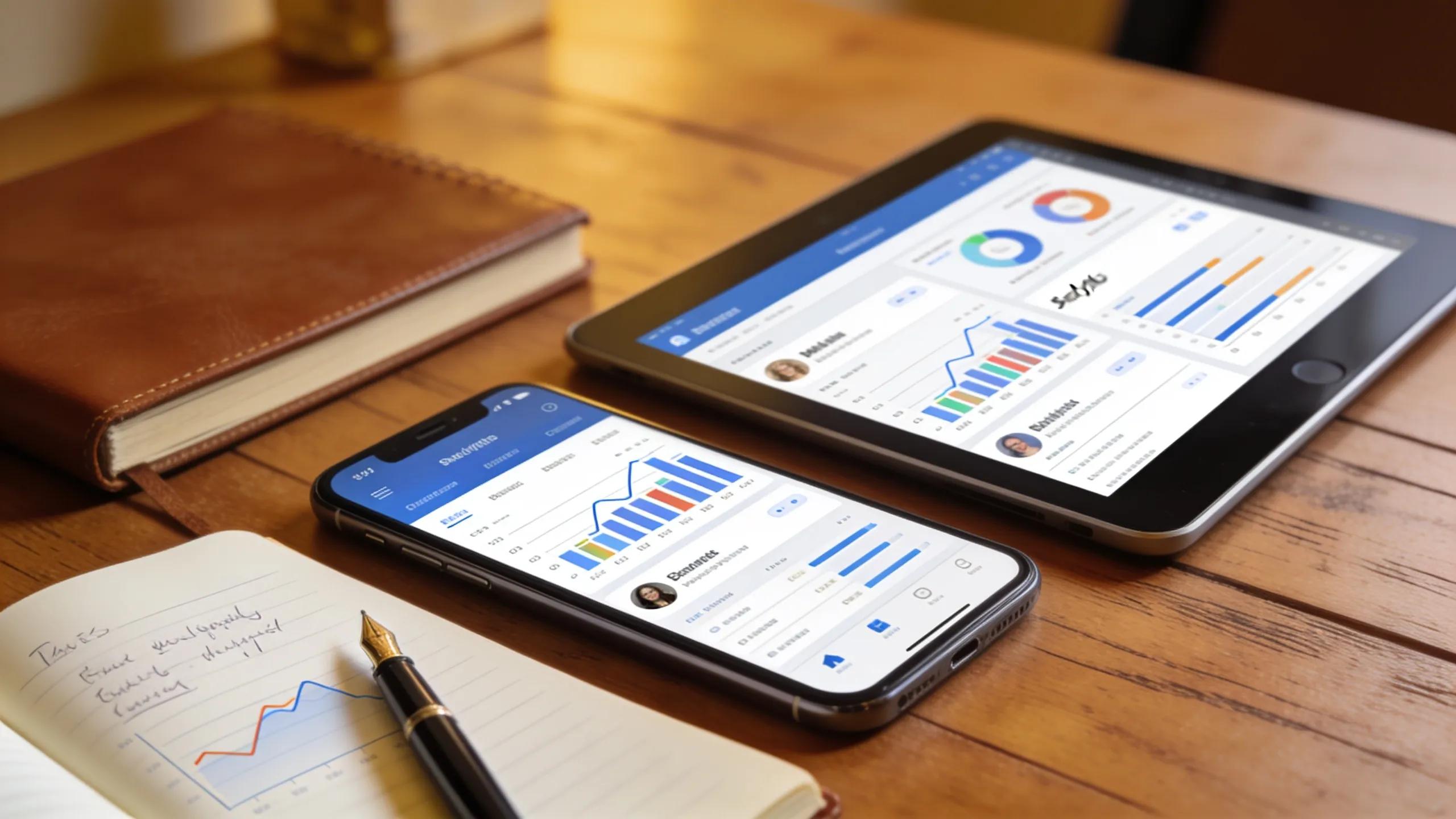
Effective monitoring combines structured methods and consistent processes to extract useful insights from social channels.
- Defining Marketing Objectives: Establish clear objectives for social engagement to guide monitoring.
- Choosing Relevant KPIs: Select KPIs that align with objectives to accurately gauge performance.
- Regular Performance Reviews: Frequent metric reviews keep strategies agile, enabling timely adjustments.
Applying these techniques improves the signal-to-noise ratio in analytics and supports timely strategic adjustments.
What Are Social Media Metrics and Key Performance Indicators?
Social media metrics are measurable values used to evaluate the performance of posts, campaigns and overall brand presence. They indicate engagement, reach and the health of audience interaction.
Key performance indicators (KPIs) are the specific metrics chosen to measure success against objectives, such as engagement rate, follower growth or conversion rate. KPIs allow teams to assess whether activities deliver intended business outcomes.
How to Choose the Right Social Media Metrics Tracking Software for Your Business?
Choosing suitable metrics software requires aligning functionality with your monitoring goals, team capabilities and data scope.
- Assessing Business Needs: Identify the scope of data you need to track and analyze.
- Comparing Software Features: Evaluate platforms against your objectives and required features.
- Reading User Reviews: User feedback reveals usability and real-world effectiveness to guide selection.
A careful selection process reduces implementation friction and improves the likelihood of measurable benefits. services
What Features Differentiate Top Social Media Analytics Tools?
Top analytics tools distinguish themselves through functionality that improves insight clarity and operational efficiency.
- Comparative Feature Analysis: Compare how tools handle visualization and reporting to find the best fit.
- Ease of Use: User-friendly tools encourage adoption and better data use.
- Integration Capabilities: Connecting with CRM and marketing systems enhances reporting value.
Evaluating these differentiators helps organisations choose a tool that matches technical requirements and user workflows.
Which Criteria Should Guide Software Selection for Small to Large Enterprises?
Selection criteria vary by organisation size but should prioritise strategic fit, usability and cost-effectiveness.
- Business Objective Alignment: Choose software that maps to your business goals.
- User Experience: For larger teams, ease of use reduces training time and boosts productivity.
- Cost versus Features: Smaller enterprises may prioritise budget-friendly options while retaining core functionality.
Balancing these factors enables a tailored choice that supports current needs and future growth.
How to Implement Social Media Analytics to Drive Business Growth?

Structured implementation of social media analytics turns data into decisions that support growth objectives.
- Identifying Key Metrics: Focus on metrics that correlate with growth objectives.
- Utilizing Analytics for Strategy: Use insights to shape and improve marketing tactics.
- Measuring Success and Adjustments: Regularly assess performance and pivot when analysis indicates.
Consistent analytics use keeps strategies evidence-based and improves chances of sustained growth.
What Are the Best Practices for Setting Up Social Media Performance Tracking?
Establishing a clear tracking framework is fundamental to reliable measurement and continuous improvement.
- Defining Clear Objectives: Set SMART goals to guide tracking toward meaningful outcomes.
- Regular Monitoring: Frequent metric checks help teams react swiftly to changes.
- Using the Right Tools: Pick analytics tools that match your business needs for accurate data tracking.
Following these practices strengthens data quality and supports more effective decision-making.
How Can Businesses Interpret and Act Upon Social Media Reporting Data?
Accurate interpretation of reporting data converts measurement into actionable priorities.
- Analyzing Key Metrics: Focus on indicators aligned with objectives to derive insights.
- Making Data-Driven Decisions: Use insights to inform strategy and adapt marketing practices.
- Continuous Strategy Adjustments: Stay flexible and adjust strategies based on data feedback.
Clear analysis enables targeted adjustments that improve campaign performance and alignment with objectives.
Effective management of social media performance begins with an understanding of tools and measurement methods. Robust metrics software is central to maximising online presence and meeting marketing goals; these platforms supply the insights needed to refine tactics and show measurable results.
Selecting the right software means assessing feature breadth and how those features support your objectives. Integration with other marketing channels and unified reporting can streamline analysis and reveal campaign performance across touchpoints, enabling ongoing optimisation.
Many organisations gain an edge by investing in advanced analytics that extend beyond basic engagement tracking to include predictive signals and benchmarking. Teams wanting to elevate digital marketing should consider services that pair analytics with advertising management to improve campaign outcomes and ROI.
Frequently Asked Questions
1. What are some common pitfalls to avoid when using social media metrics tracking software?
Common pitfalls include inconsistent data collection, unclear objectives and failing to act on insights. Define goals first and focus on actionable metrics to avoid misinterpretation.
2. How often should businesses review their social media metrics?
Review frequency depends on campaign tempo; monthly is a minimum. Weekly or bi-weekly checks give earlier signals and faster response. digital marketing strategies
3. Can social media metrics tracking software assist with crisis management?
Yes. These tools can surface sentiment shifts and mention spikes in real time, enabling quicker, more targeted responses during crises.
4. What should businesses prioritize when setting social media performance indicators?
Prioritise KPIs that map directly to marketing and business objectives—engagement rate, audience growth and conversions—and include industry-specific measures when relevant. digital marketing strategies
5. How can smaller businesses leverage social media metrics tracking software on a budget?
Choose tools that cover essential metrics, consider tiered plans or trials, and use native platform analytics or open-source options to get value at low cost.
6. How does social media metrics tracking improve customer engagement?
Tracking reveals which content and formats resonate. Use those insights to tailor content, timing and interactions to increase relevance and response rates.
7. Is it important to train employees on using social media metrics tracking software?
Yes. Training ensures consistent data handling and stronger interpretation skills, helping teams extract more value from analytics.
Conclusion
Social media metrics tracking software gives businesses the insight to refine engagement strategies and make decisions that support corporate objectives. The analysis these tools provide helps maximise marketing ROI and improve digital performance. Prioritise analytics solutions that align with your needs to build a foundation for sustained growth and adaptability. Discover how our featured social media can elevate your social media performance by exploring our offerings today.
