Unlocking Insights With Social Media Analytics Tools


Unlocking Insights With Social Media Analytics Tools: How to Measure and Maximize Marketing Impact
By Bluemoon Ads, Leading Digital Marketing in Lebanon | Bluemoon Creative Agency
Social media analytics tools enable businesses to measure performance and refine strategy. Tracking the right metrics produces actionable insights that improve marketing outcomes. This article explains the key metrics to monitor, best practices for using analytics, and case studies that show these approaches in practice. Effective use of analytics helps organisations interpret audience behavior and increase marketing impact.
Key Social Media Metrics to Track
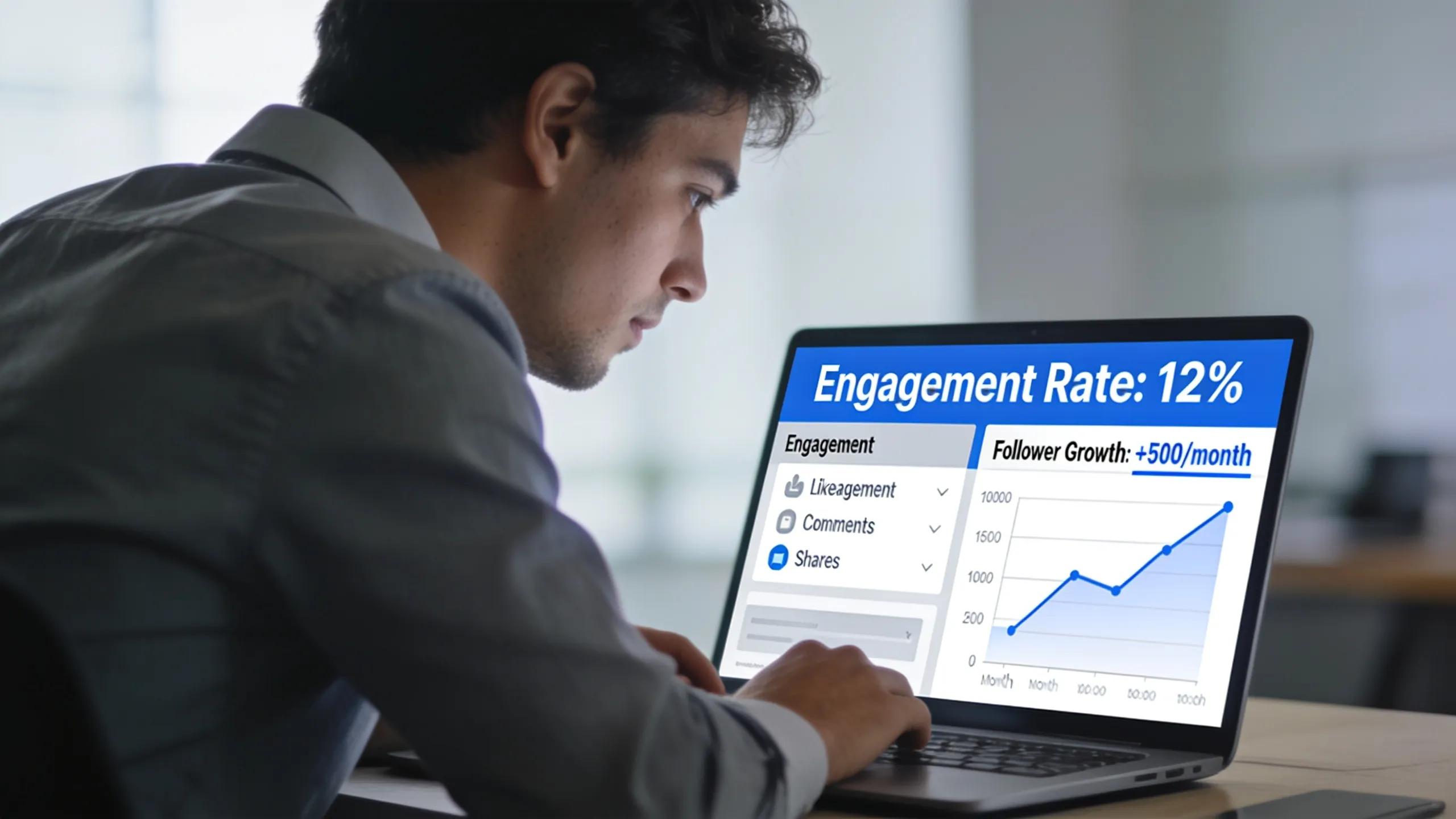
Evaluate social media performance by tracking specific metrics that reveal audience and campaign outcomes. Key measures include engagement rate, follower growth, and conversion rate; each provides a distinct perspective on effectiveness.
| Metric | Definition | Importance |
|---|---|---|
| Engagement Rates | Measures likes, shares, comments, and interactions with content | Indicates audience interaction and content resonance |
| Follower Growth | Tracks the increase in followers over time | Reflects the brand’s visibility and market interest |
| Conversion Rates | Calculates how many social media interactions lead to sales | Links engagement to sales effectiveness, highlighting ROI |
These measures help businesses target campaigns more precisely and reveal audience preferences, leading to better marketing results.
Best Practices for Using Social Media Analytics

Maximize the value of social media analytics with clear practices: define marketing objectives so metrics align with goals, choose KPIs that measure those objectives, and review performance regularly to adjust strategy based on results. Comprehensive analytics strengthen a brand’s online presence.
- Define Clear Marketing Objectives: Establish specific goals to guide your choice of metrics.
- Choose Relevant KPIs: Select metrics that align with your business objectives and will provide meaningful insights.
- Regularly Review Performance Metrics: Consistent evaluations can help adapt your strategies and maintain audience engagement.
Applying these practices helps businesses use social media analytics tools more effectively. Bluemoon Creative Agency offers bespoke, data-driven marketing strategies that integrate social media analytics to optimise client campaigns.
Case Studies Illustrating Successful Strategies
Real examples of companies using social media analytics illustrate how these tools deliver measurable results.
- Influencer Campaigns: A leading cosmetics brand partnered with popular influencers to showcase products on social media. By closely monitoring engagement rates, they saw a significant uptick in interaction, leading to a reported increase in sales during the campaign period.
- Content Strategy Adjustments: A fashion retailer analyzed conversion rates from various social media platforms and discovered that Instagram generated higher sales compared to others. They adjusted their content strategy to prioritise Instagram, resulting in a reported increase in revenue.
These cases show the value of a data-driven approach when shaping effective marketing strategies.
Applying these principles converts raw data into actionable insights and drives measurable improvements in campaign performance.
Frequently Asked Questions
What types of social media analytics tools are available for businesses?
Various analytics tools exist, each offering different features. Common options include Hootsuite, Sprout Social, and Buffer; these provide insights on engagement, content performance, and audience behaviour. Google Analytics and Facebook Insights can be integrated to clarify traffic sources. Choose tools based on budget, ease of use, and the depth of analysis required.
How often should I review my social media analytics?
Review analytics on a regular schedule, typically monthly. Weekly checks are advisable during major campaigns or product launches to enable prompt adjustments. Establish a cadence that matches your marketing objectives and supports timely decision-making.
Can social media analytics improve customer engagement?
Yes. Analytics identify which content resonates, when your audience is most active, and key demographic traits. Use these insights to tailor content, schedule posts for peak engagement, and create more relevant messaging that strengthens audience connections.
What is the difference between qualitative and quantitative metrics in social media analytics?
Qualitative metrics assess the context and tone of interactions—such as sentiment in comments or shares—to show how users feel about your brand. Quantitative metrics are numerical—engagement rates, follower counts, and click-through rates—and measure scale and frequency. Together they provide a comprehensive view of performance and impact.
How can I integrate social media analytics with my existing marketing strategies?
Integrate analytics by aligning KPIs with business goals. Define campaign objectives and select metrics that measure those objectives. Use analytics to inform content creation, audience segmentation, and posting schedules, and update strategies regularly based on performance data to ensure social activity supports broader marketing aims.
Are there any free social media analytics tools available?
Yes. Several free options exist, such as Buffer’s free tier, Google Analytics, and Facebook Insights, which provide useful data at no cost. Free tools may have limitations compared with paid solutions but still offer core insights on engagement, audience growth, and content performance—suitable for initial analysis before scaling to advanced tools.
Conclusion
Social media analytics give businesses clear insight into audience behaviour and enable effective strategy optimisation. Focusing on key metrics like engagement and conversion rates helps refine tactics and increase impact. Consider adopting advanced analytics solutions tailored to your needs to turn data into measurable growth.
