Unlocking Social Media Success With Effective Reporting Tools


Unlocking Social Media Success With Effective Reporting Tools
By Bluemoon Ads, Leading Digital Marketing in Lebanon | Bluemoon Creative Agency
Leveraging social media for brand growth requires a strategic approach, and reporting tools are central to that strategy. They let businesses track, measure and analyze campaign performance, identify metrics that drive engagement and conversions, and refine tactics. As brands manage multiple platforms and large volumes of data, the right reporting solution becomes essential. This article covers key performance metrics, core reporting features, automation benefits, and best practices for integrating reporting into marketing strategy.
What Are the Key Social Media Performance Metrics to Track?
Businesses should identify and track critical performance metrics to evaluate campaign effectiveness. These indicators show how content resonates with audiences and guide optimization to improve engagement and conversions. Key metrics include engagement rate, conversion rate, and reach.
Which Metrics Reflect Engagement and Reach?

Engagement metrics—likes, shares, comments—show how audiences interact with content. A higher engagement rate signals stronger interest; reach measures the number of unique users exposed to content. Follower growth indicates changes in brand visibility and campaign impact.
How Do Click-Through Rates and Conversions Influence Campaign Success?
Click-through rate (CTR) measures the percentage of viewers who click a link. A strong CTR shows effective messaging; conversion rate measures how often those clicks lead to desired actions, such as purchases or sign-ups. Analyzing CTR and conversions guides optimization and supports more efficient resource allocation.
Which Features Should You Look for in Social Media Reporting Software?
Choose reporting software that balances usability with robust analytics. Intuitive interfaces help teams navigate and interpret data, while advanced analytics enable in-depth performance tracking. Strong integration options ensure the tool connects with existing platforms and workflows.
How Do Analytics Dashboards and Data Visualization Enhance Understanding?
Dashboards consolidate data into a single view, simplifying analysis. Clear visualizations—graphs and charts—turn complex datasets into actionable insights marketers can review at a glance. Visual reports also make it easier to present findings to stakeholders and align on strategic changes.
What Role Does Customizable Campaign Tracking Play in Reporting Tools?
Custom campaign tracking lets marketers monitor metrics tied to specific objectives. This ensures relevance and produces actionable insights for informed decisions. For example, custom labels can isolate individual campaign performance within a broader strategy, enabling targeted improvements.
How Can Automated Social Media Reporting Improve Marketing ROI?
Automated reporting streamlines data collection and analysis, improving marketing ROI. Real-time insights let marketers adjust tactics quickly. Automation saves time and helps allocate resources more effectively, aligning marketing activity with business objectives.
Understanding the intricacies of social media marketing ROI is essential to optimize ad spend and improve campaign effectiveness. Reporting tools provide the data required to refine strategy and increase returns.
What Are the Benefits of Automation in Social Media Campaign Analysis?
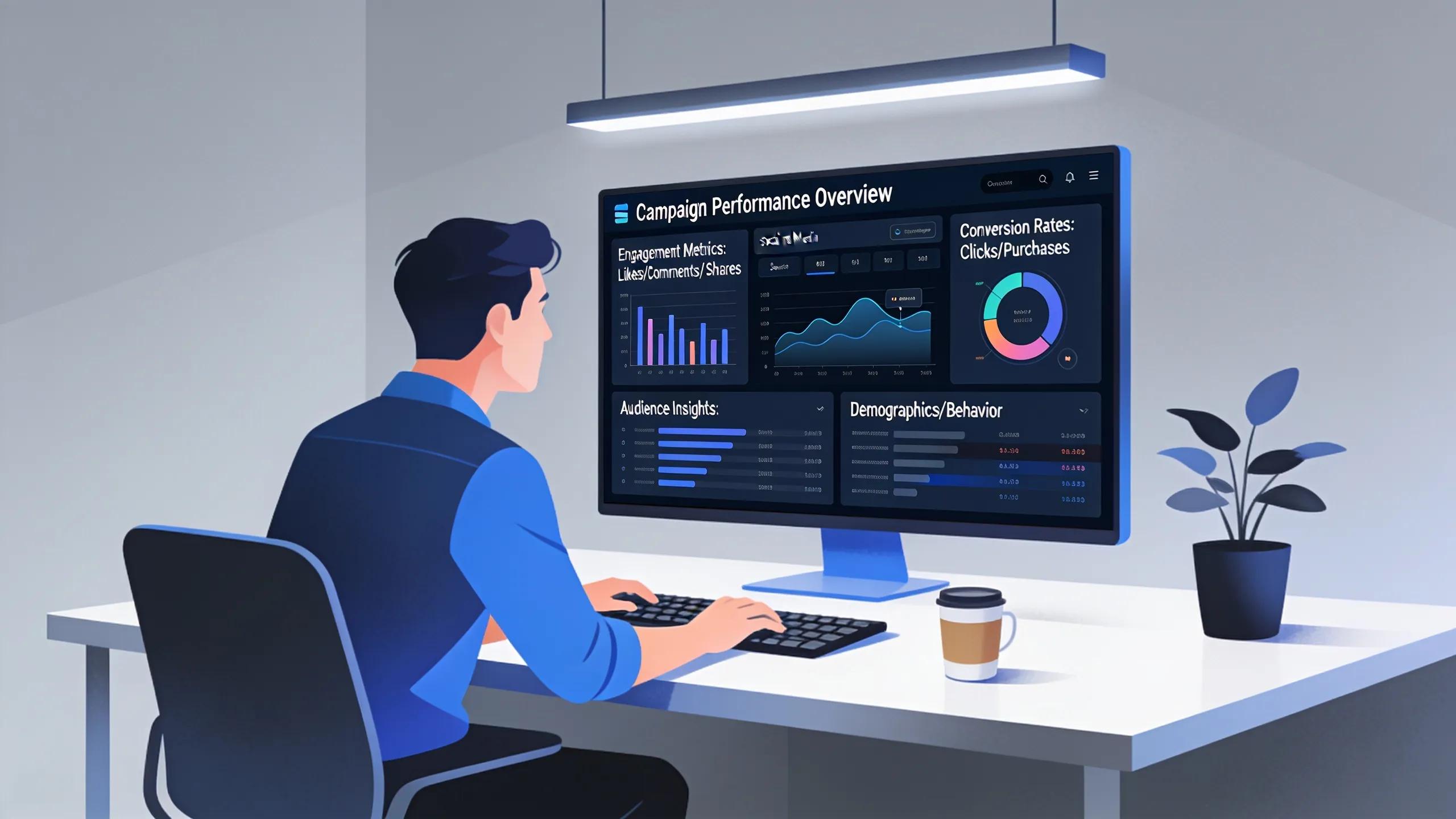
Automation increases efficiency in campaign management. It shifts teams from manual data work to strategic decision-making. Automated reports also reduce human error and deliver more reliable data for analysis.
How Do Automated Reports Support Data-Driven Decision Making?
Automated reporting supports data-driven decisions by providing consistent access to accurate metrics. Regular updates keep teams aware of performance trends and enable quick strategic pivots. Case studies show organisations that use automated reports often achieve better campaign effectiveness.
Strategic Implementation of Social Media Reporting Tools
Implementing reporting solutions requires a strategic plan. Monitor performance metrics regularly so insights are analyzed and acted on. Use appropriate analytics tools to ensure accuracy, and set clear goals to focus reporting.
How Should Businesses Integrate Reporting Tools into Their Marketing Strategy?
Integrate reporting tools with existing processes and train staff to use them effectively. Consider workflow fit and emphasize long-term benefits—improved decision-making and clearer performance visibility—to encourage adoption.
Which Steps Ensure Successful Adoption and Use of Reporting Software?
To adopt reporting software successfully, assess organizational needs to choose suitable tools. Provide thorough training and establish governance to keep reporting consistent and reliable. Address common pitfalls—like low user engagement—to protect the investment.
Frequently Asked Questions
What types of social media reporting tools are available?
Reporting tools include analytics platforms, management tools, and scheduling software. Analytics platforms track metrics and performance; management tools streamline posting and engagement across channels; scheduling software plans and automates posts to optimize timing. Some solutions combine these features into a single platform.
How can social media reporting tools improve audience targeting?
Reporting tools improve audience targeting by revealing behaviors and preferences. Metrics—demographics, engagement types, content performance—identify segments that respond to messaging. Use this data to tailor campaigns and increase conversion likelihood. Ongoing monitoring lets teams adjust targeting as preferences change.
Are free social media reporting tools as effective as paid ones?
Free tools can serve small businesses or beginners, but paid tools usually offer more advanced analytics, deeper integrations, and greater customization. Free options provide basic insights but often lack depth. Choose based on business needs, budget, and the level of analysis required.
How often should businesses review their social media reports?
Review reports regularly—weekly or monthly depending on activity and campaign timelines. Frequent reviews reveal trends, assess strategy effectiveness, and enable timely adjustments. A consistent review schedule helps spot opportunities or issues and keeps teams agile.
What role does user feedback play in social media reporting?
User feedback provides qualitative insights into customer satisfaction and brand perception. Comments and messages reveal sentiment that complements quantitative metrics. Include feedback in reports to inform strategy and content decisions; listening to customers improves relationships and boosts engagement.
What challenges might businesses face when implementing reporting tools?
Common challenges include data integration problems, resistance to new technology, and limited technical expertise. Misalignment between tools and business needs or inadequate training can reduce value and delay execution. Mitigate these risks with thorough evaluation and targeted training before adoption.
Conclusion
Effective reporting tools are essential to maximize brand engagement and campaign outcomes. They improve metric tracking and enable data-driven decisions that strengthen marketing strategy. Integrating automation and custom tracking clarifies audience behavior and campaign performance. Identify the right reporting solutions for your business to enhance your social media strategy.
